|
Capricora System
System:
Capricora
Primary Star:
Capricora
Stellar Type:
K2V
☼
Companion
Star(s): None
Distance from Earth:
205 ly
Distance to Wormhole:
0
Constellation: Capricornus
Region:
Capricorn
Population:
2.3 Billion
Summary:
The wormhole system of the lightly populated Capricorn Region,
Capricora is also the most populated system. The region gets its name
because many of the stars sit in the Capricornus constellation.
|
|
|
|

|
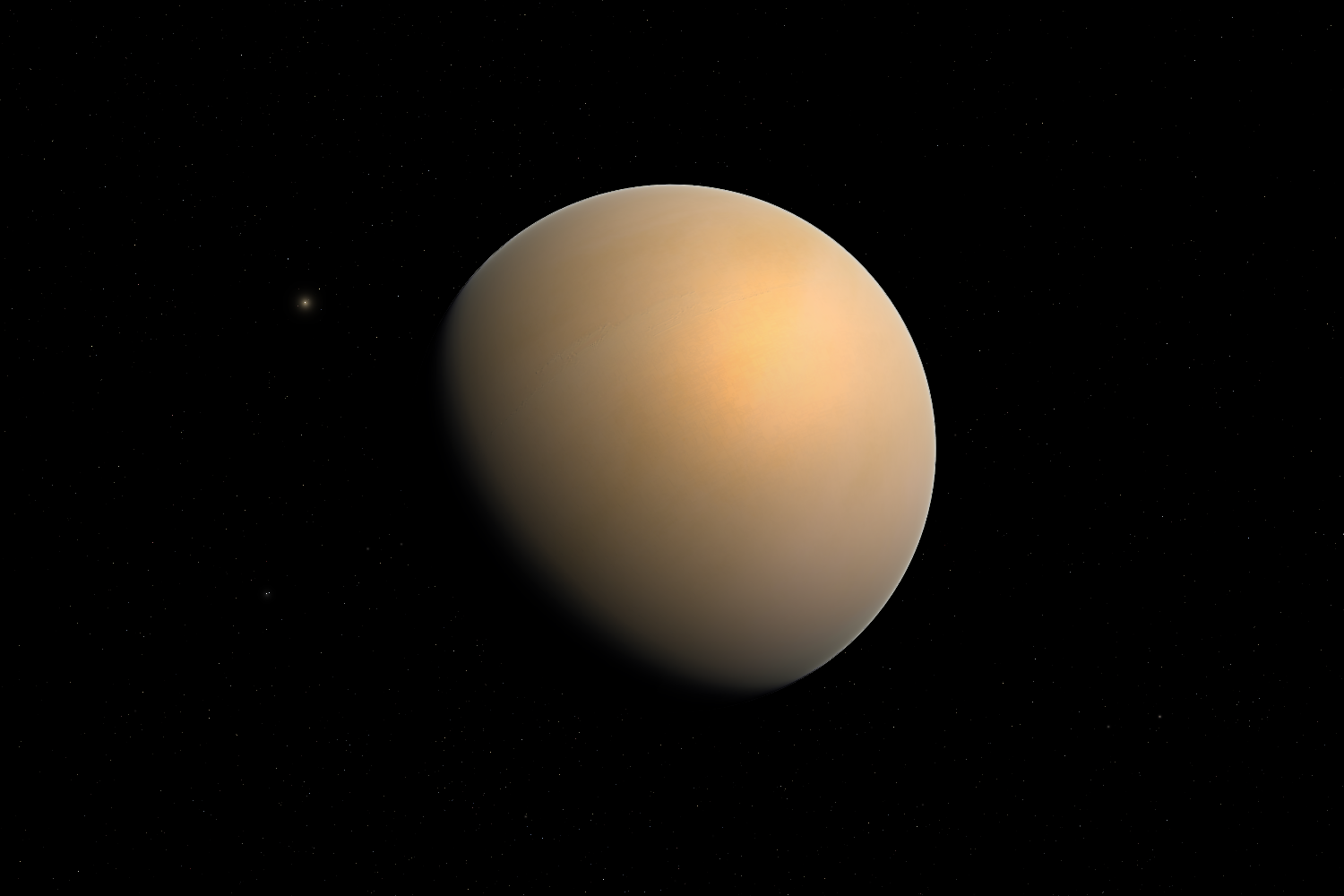
Capricora B
Planet B is a
hydrogen-helium gas giant that migrated inward close to the star, during the
system's early history. The planet contains high-level decks of sulfur
clouds giving it a yellowish cream color.
|
|
|
|
|
|
|
|
|
|

|
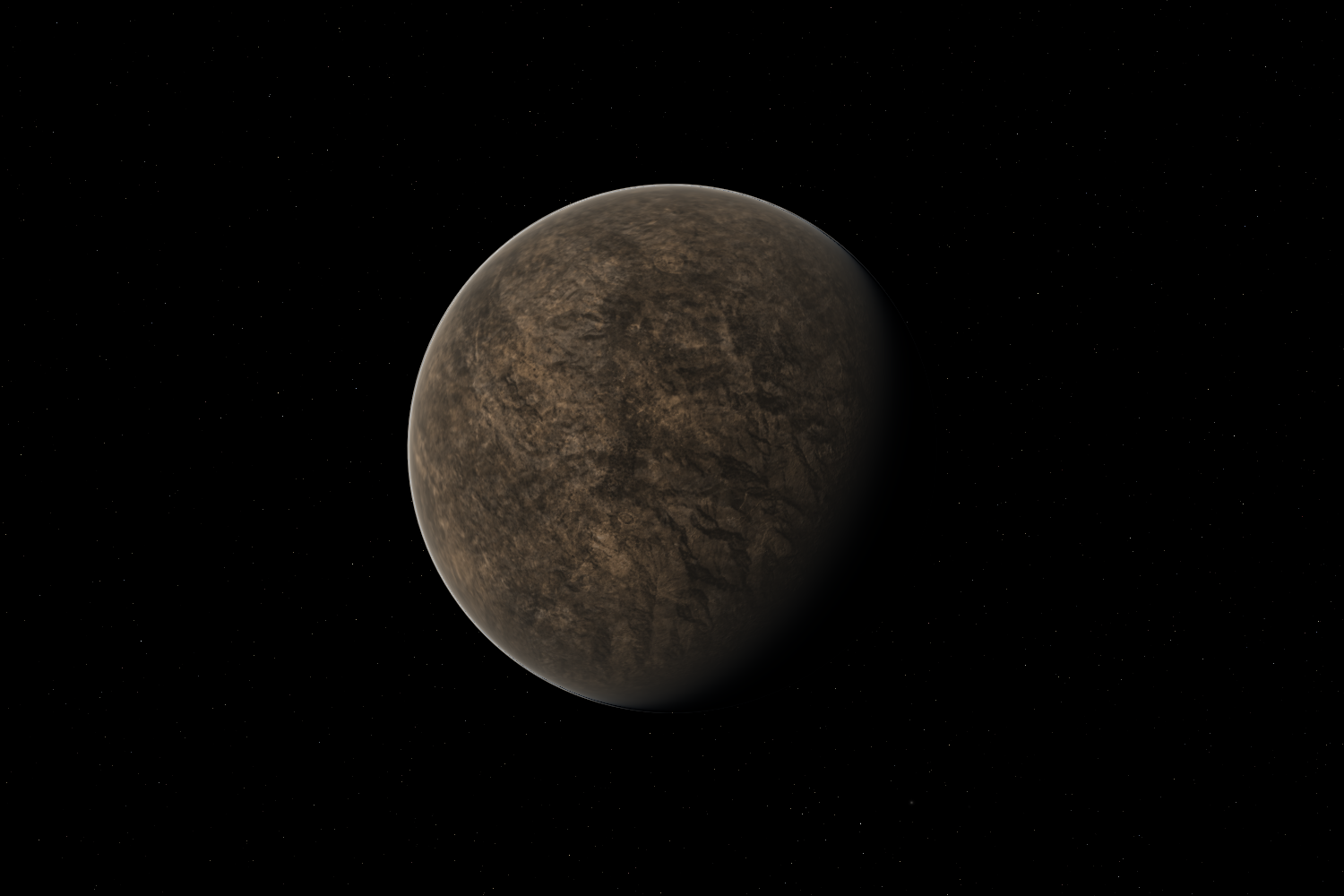
Capricora C
Located close
to planet d, planet c is completely different from its neighbor.
Planet C is dry lifeless world with little to offer. The inward
migration of planet b maybe to blame for the different paths both planets
took.
|
|
|
|
|
|
|
|
|
|

|
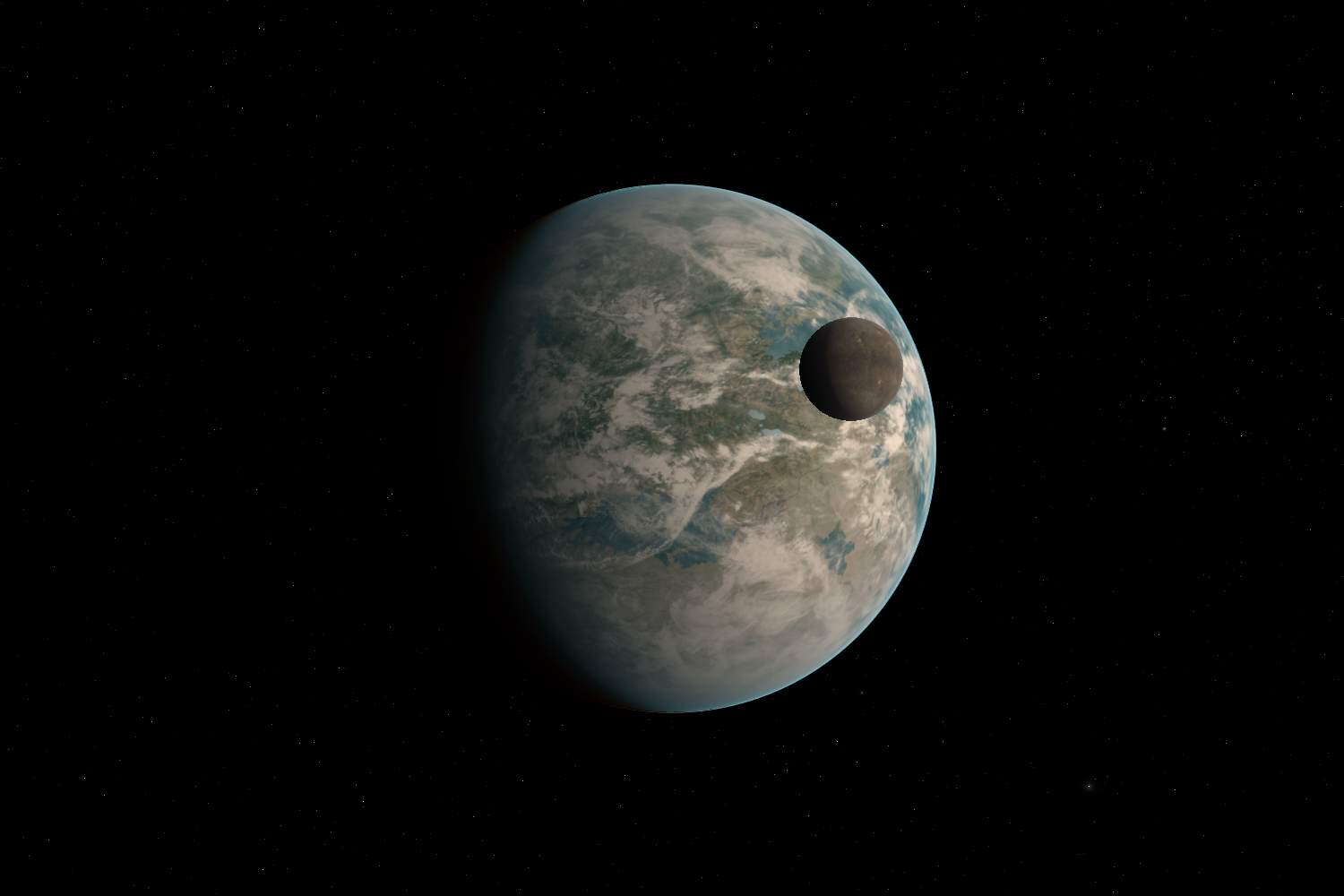
Capricora D
Capricora D is
a planet well suited for large scale human colonization. A sharp
contrast is created as the landscape quickly changes from large cities to farms and
countryside. Skyscrapers tower over endless green fields and sprawling orchids,
as only a small population live outside the cities. Capricora D has
become both the economic and agriculture center of the Capricorn region.
|
 |
|
|
|
|
|
|
|

|
Capricora D1
Capricora D1 is a large waterless moon orbiting planet d.
Numerous small colonies are scattered across the moons surface, mining
metals which are exported to planet d.
|
|
|
|
|
|
|
|
|
|
|

|
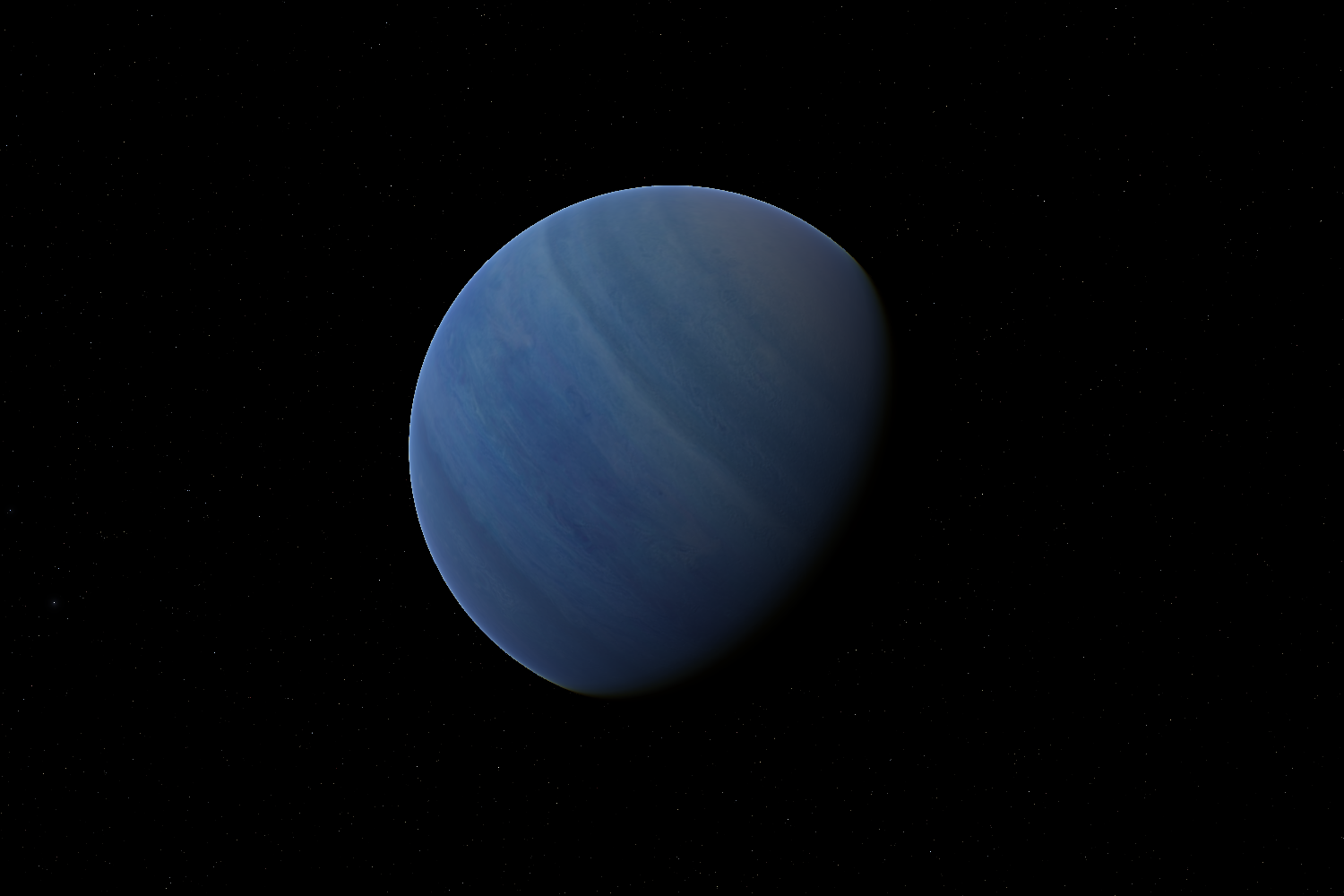
Capricora E
A standard
hydrogen helium gas giant. The planet is a giant blue ball, similar to
neptune orbiting far from the sun.
|
|
|
|
|
|
|
|
|
Closest
Inhabited Systems (50 ly):
|
Name
|
Distance (ly)
|
Type
|
|
Shakespearia
|
18.53
|
G5V
|
|
Iota Capricorni
|
19.77
|
G8III
|
|
Maze
|
30.89
|
K2V
|
|
Ancha
|
48.72
|
G8III
|
|
Noria
|
49.20
|
G9V
|
|