|
Nasira System
System: Nasira
Primary Star:
Nasira
Stellar Type:
G3V ☼
Companion
Star(s): None
Distance from Earth: 471 ly
Distance to Wormhole: 139 ly (Betelgeuse)
Constellation: Orion
Region:
Betelgeuse
Population:
112 Million
Summary:
The Nasira
system is an isolated system in the Betelgeuse region. The system sits nearly
140 ly from the nearest wormhole, and the closest inhabited system (not
counting the small HD
35413 colony at 12 ly) is the Chimera system at 30 ly away. The interior
of the primary planet Nasira C has frozen (often and indication that the planet
is dying) giving it a weak magnetic field. The surface of the planet is
bombarded with solar radiation. Genetic engineering was done on the early
settlers them giving them almost completely black skin and eyes to help protect
from the radiation. Few travelers venture to this forgotten world, but those
who do find a unique place with strange people isolated from much of galaxy. A
large population of over a hundred million has grown on this planet, most of
them decedents of the early colonists.
|
|
|
|

|
Nasira
A
|
|
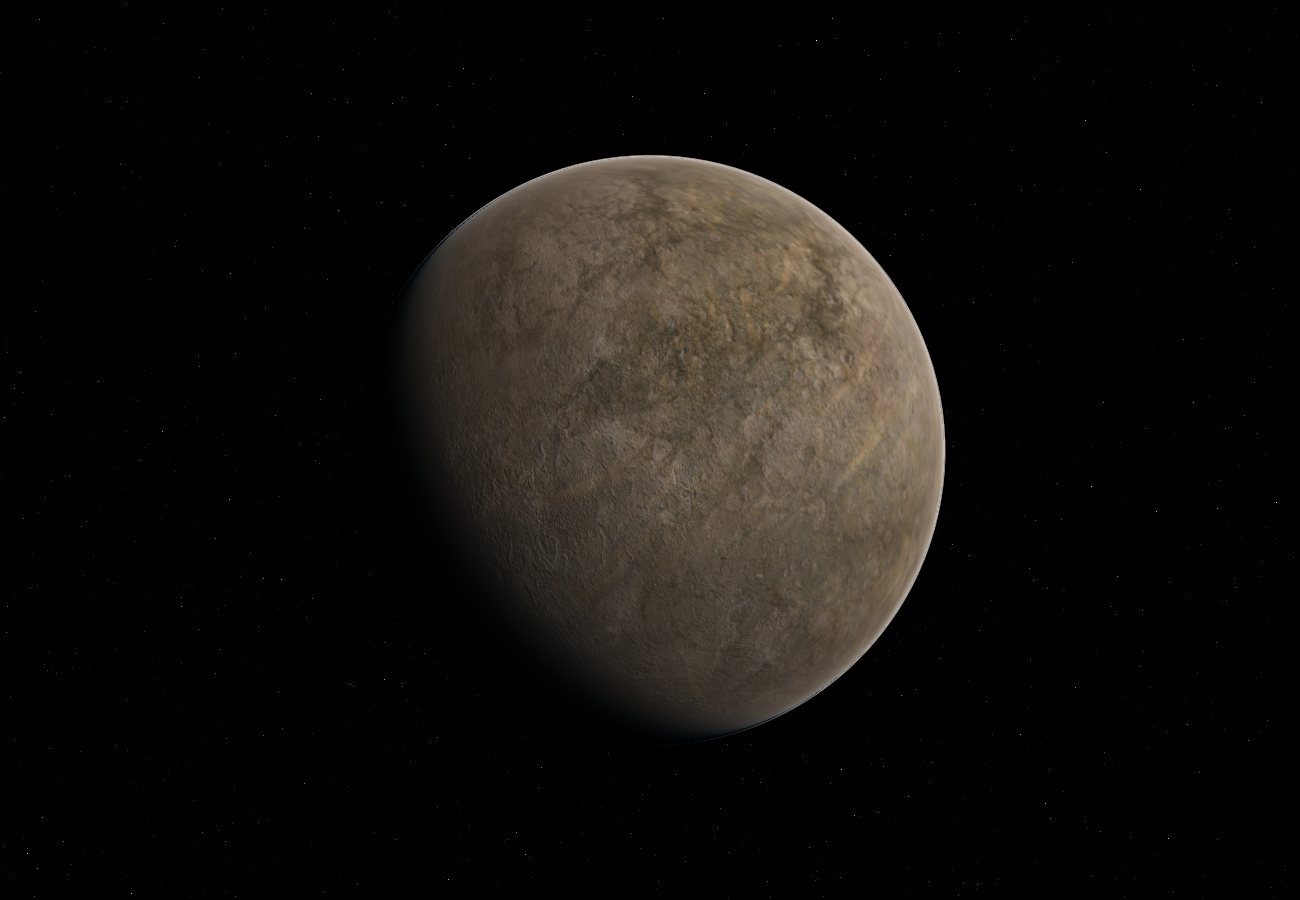
The rocky
inner world of Nasira A is a hot dry world close to the sun. The planet has
little to no atmosphere, but is rich with metals. Small mining colonies exist
on the much cooler night side.
|
|
|
|
|
|
|
|
|
|

|
Nasira
B
|
|
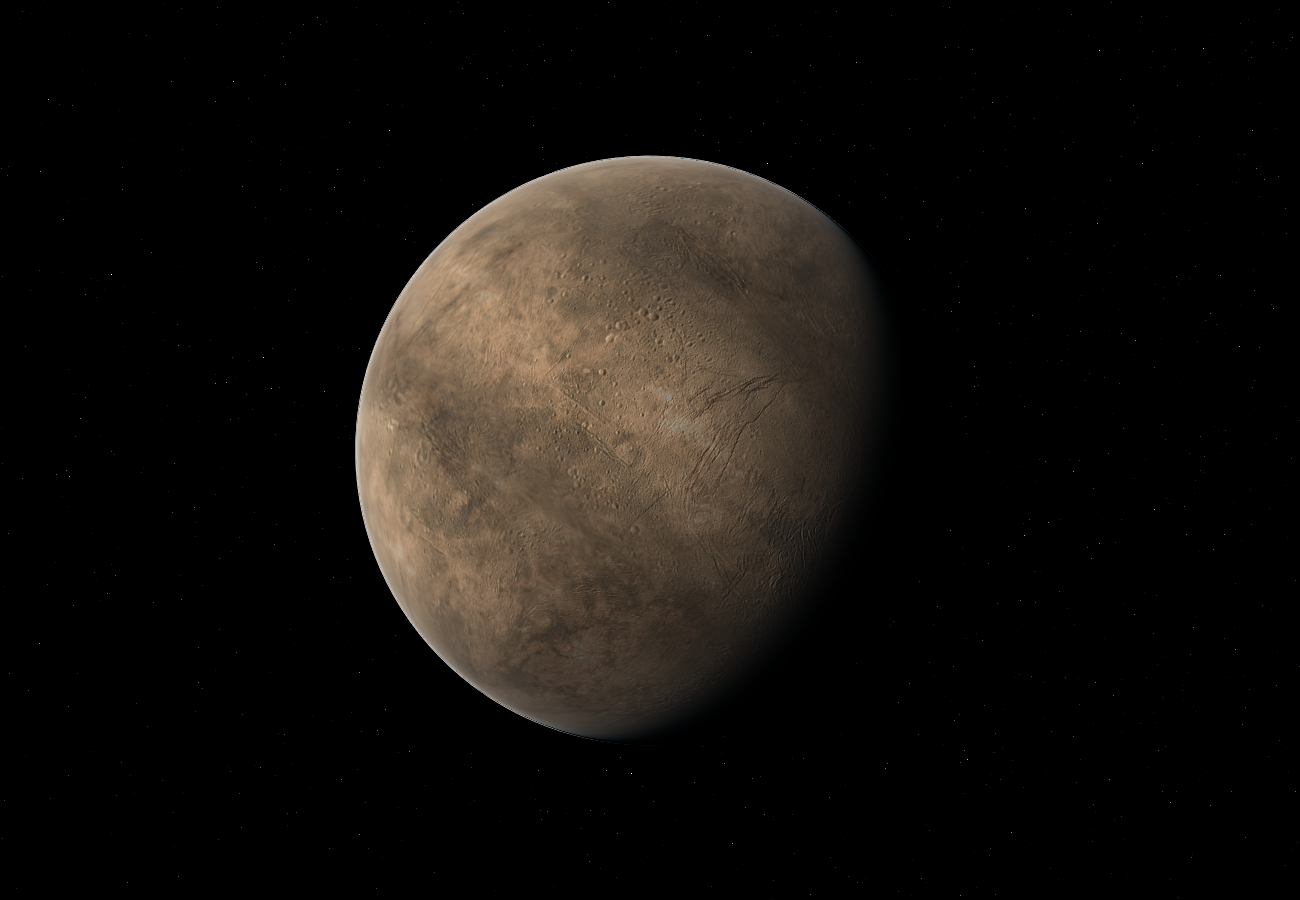
Nasira B is a
lifeless world orbiting in the inner part of the habitable zone, at earth
like temperatures (though a little bit warmer than earth). The planet has
absolutely no atmosphere, which is not fully understood given the planets
temperature and size. One theory is that a comet impact early in the planets
history stripped it of its atmosphere. It may be possible to terraform this
world, but the lack of an atmosphere would make it extremely difficult.
|
|
|
|
|
|
|
|
|
|

|
Nasira
C
|
|
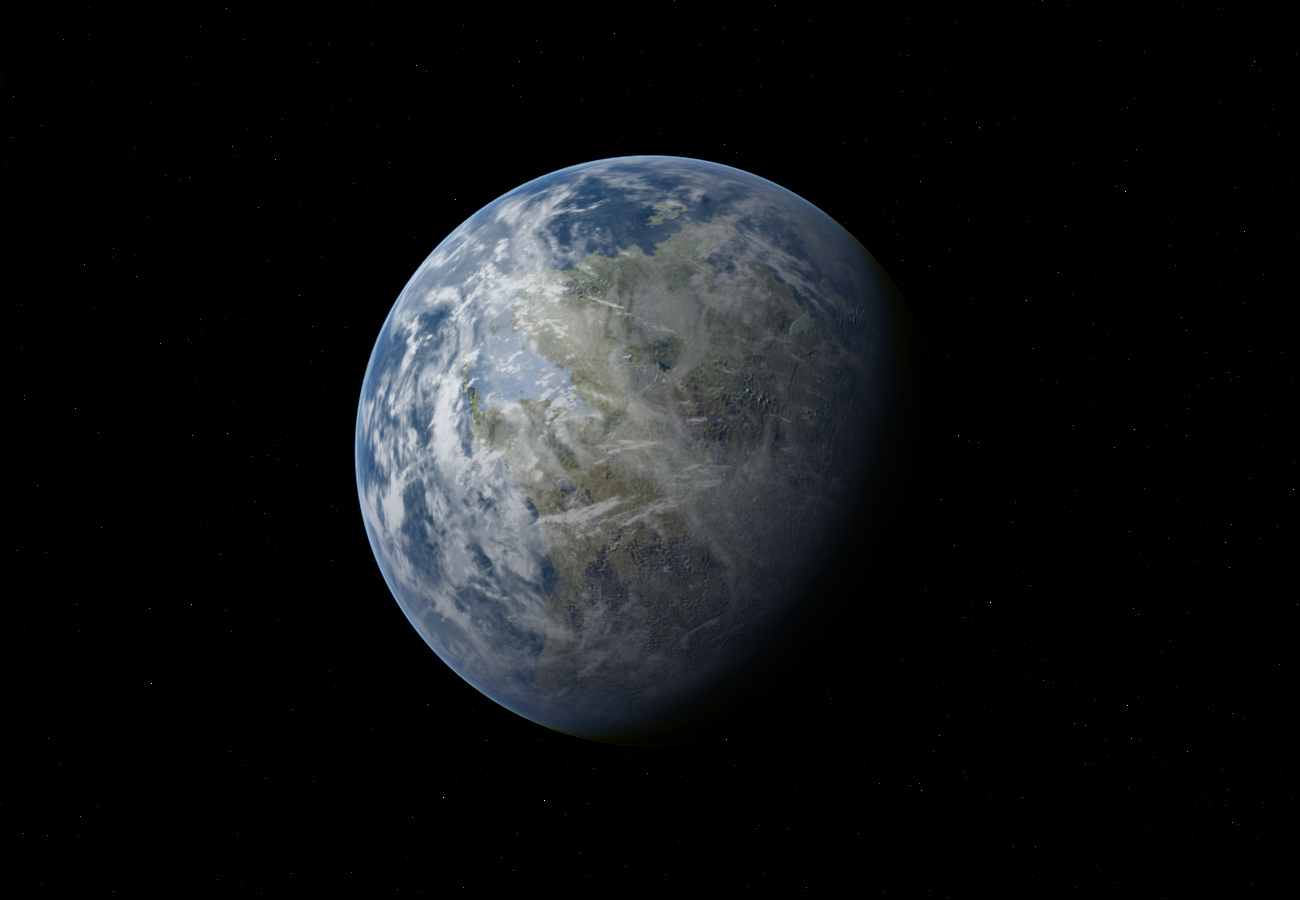
Nasira C is a
green world in which plate tectonics have stopped leaving much of the surface
flat. Grasslands and forests stretch across the planets continents. The
planet has only a small magnetic field leaving much of surface exposed to
higher levels of solar radiation than what is seen on earth. The people of
Nasira have very dark skin and eyes to help adapt to the conditions on the
planet.
|
|
|
|
|
|
|
|

|
Nasira
C1
|
|
The first of
two captured asteroids orbiting the planet Nasira C. C1 is the smaller of
the two moons and orbits closer to the planet.
|
|
|
|
|
|
|
|

|
Nasira
C2
|
|
The more
distant moon C2 is the larger of the two captured asteroids. The moon has
been mined in the past extracting valuable metals from its surface.
|
|
|
|
|
|
|
|
|
|

|
Nasira
D
|
|
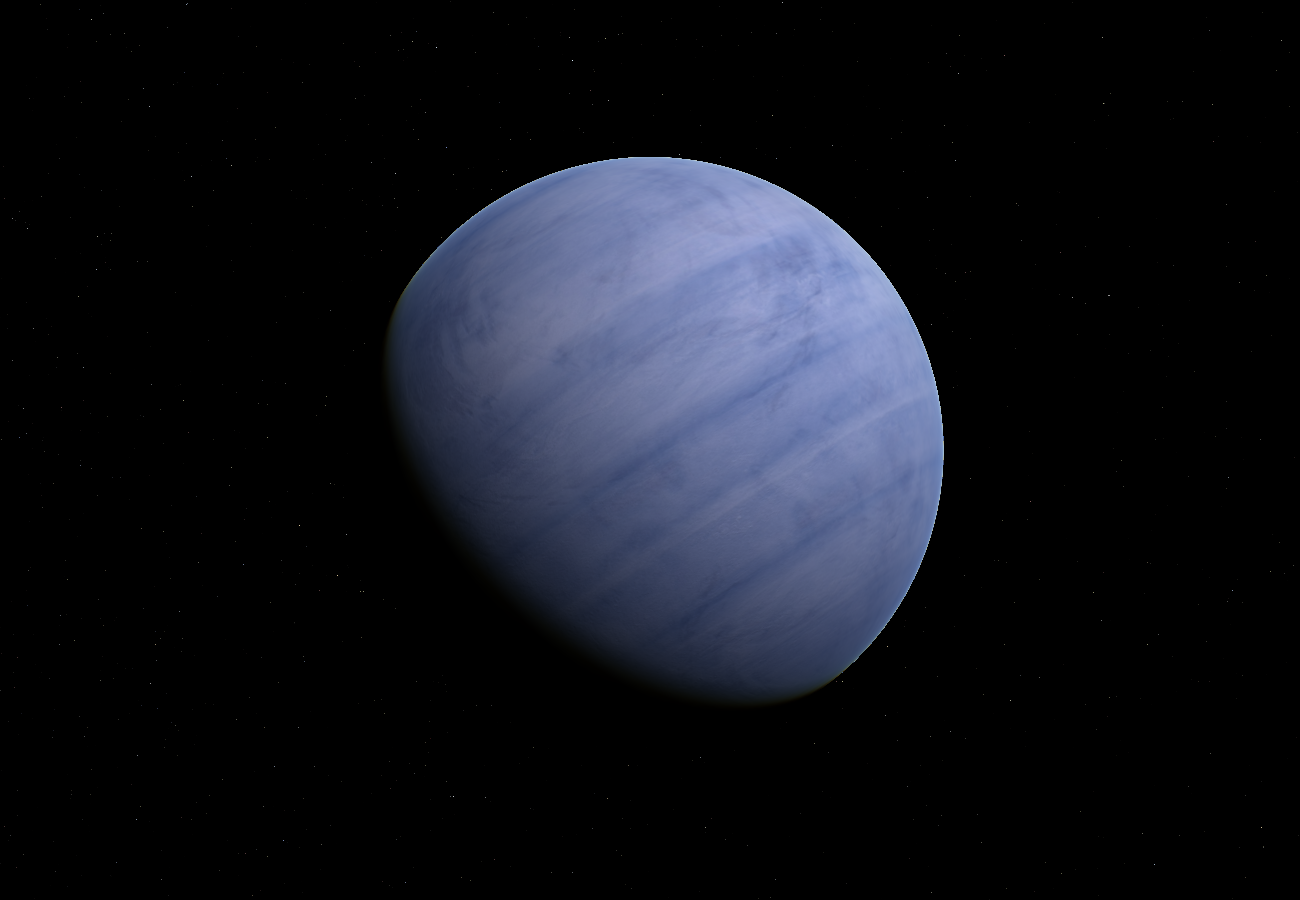
Planet D is a
large gas giant with three times the mass of Jupiter. The planet has an
eccentric orbit that swings between 10 au and 21 au and takes nearly 63 years
to complete. During the warmer summer period bands of white clouds appear
across the planet, while during the winter period the planet is almost
completely blue.
|
|
|
|
|
|
|
|
|
Closest
Inhabited Systems (50 ly):
|